
Audit & Assurance Services in Mississauga
Audit and assurance work gives lenders, investors, and regulators independent proof that your financial statements are accurate. This team reviews your records against standards like IFRS and ASPE, tests your controls, and flags risks before anyone else does.
- 10 Yearsof accounting work
- 120+ Businessesserved
- 4.8Google rating (4.8 out of 5, opens Google reviews)

Tap a tool to connect it
Every risk, found before anyone else does

Handled here
Who This Service Is For
A financial statement that doesn't hold up under scrutiny costs more than an awkward meeting. It can cost financing, investor confidence, or a regulator's patience, and Canadian accounting standards keep shifting under everyone's feet.
We work with private companies, non-profits, and growing corporations across Mississauga to confirm the numbers are right before a lender or investor asks. We don't stop at signing off on a report: we flag the risks and inefficiencies we find along the way, so the engagement pays for itself past the compliance box.

Businesses whose lender, investor or partner requires reviewed or audited financial statements
Ontario not-for-profit corporations whose annual revenue puts them above the audit or review-engagement thresholds in the Not-for-Profit Corporations Act, 2010
Franchisors preparing a disclosure document, which must include financial statements and reach a franchisee at least 14 days before signing
Owners preparing for a sale, a new investor or a financing round

What's Included
Tap each part of the engagement to see what it covers.

External Audit
An independent review of your financial statements confirms they're accurate and comply with Canadian accounting standards, the kind of confirmation lenders and investors actually trust.
Internal Audit
We test your internal controls, risk management, and day-to-day operations to see where the business is actually exposed.
Third-Party Assurance
When a contract, grant, or regulator needs independent verification, we provide it in a form they'll accept.
Forensic Accounting and Auditing
If fraud or a financial dispute is on the table, our investigations gather evidence that holds up, whether that's internally or in front of a regulator.
Why Work With This Team
Quality with Integrity
Every audit follows Canadian GAAS and international auditing standards, with independence and ethics built into each engagement, not applied as an afterthought.
Technology-Enabled Reviews
AI-assisted analytics and digital systems that link financial and non-financial data help us catch trends and risks earlier than a manual review would.
An Approach Built Around Your Business
We focus on the areas that carry the most risk for you specifically, which keeps disruption to your daily operations to a minimum.
Auditors With Real Field Experience
Our team brings over a decade of experience across industries and Canadian regulations, so recommendations come with practical context, not just a checklist.

Our Process
Five steps, from initial consultation to ongoing support.
Step 1: Initial Consultation
We discuss your organization, your reporting obligations, and which type of audit or assurance engagement actually fits your situation.
Step 2: Risk Assessment and Planning
Your financial statements, internal controls, and industry risks get mapped out before any fieldwork starts.
Step 3: Fieldwork and Testing
We test transactions and controls against the relevant standard, whether that's IFRS, ASPE, or ASNPO, and document what we find.
Step 4: Reporting
You get a clear report with findings, risks, and recommendations, not just a pass or fail opinion.
Step 5: Ongoing Support
We stay available after the report is delivered to help you act on what we found before the next reporting cycle.
What We'll Need From You
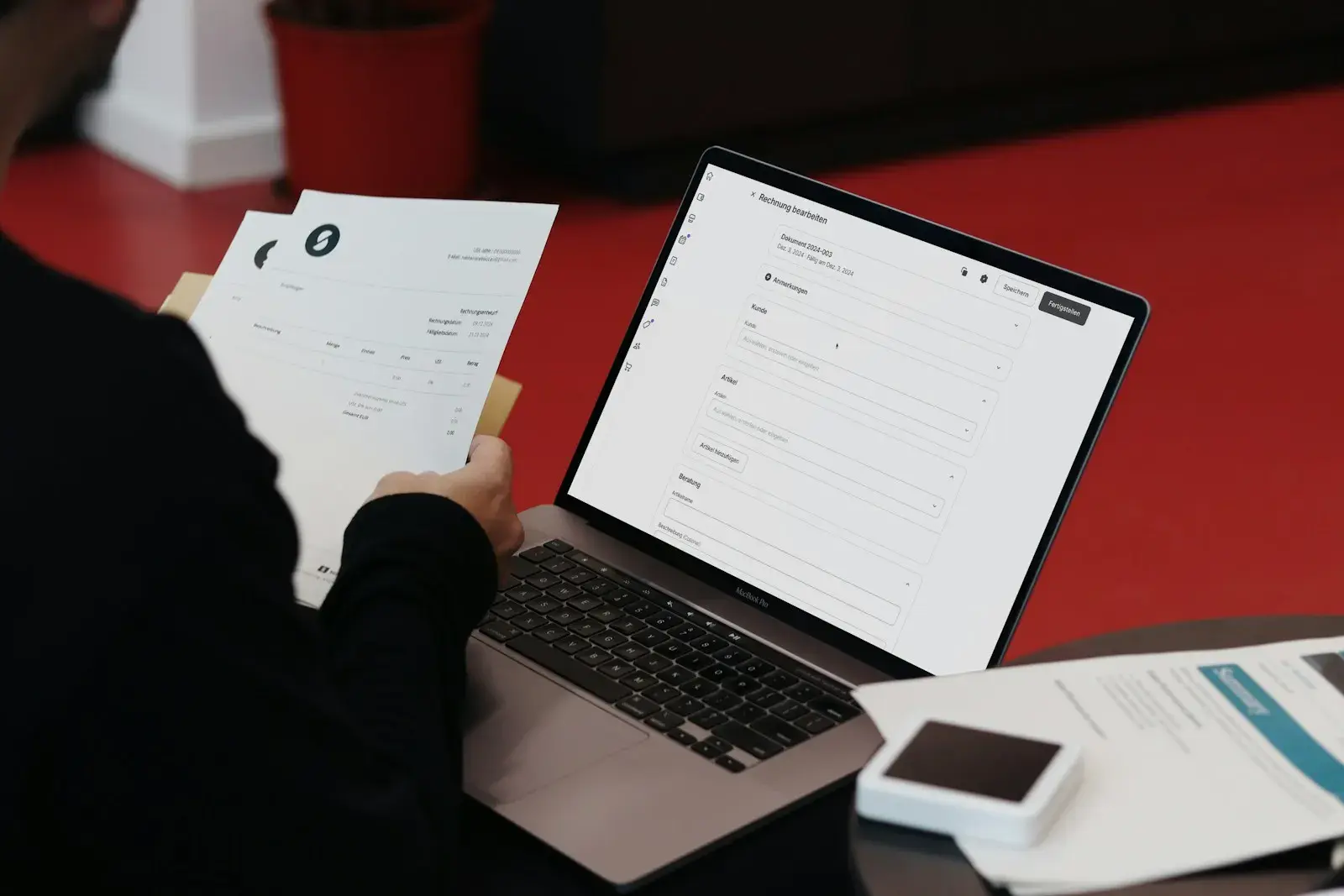
Year-end trial balance and general ledger
Bank statements and bank reconciliations at year-end
Prior-year financial statements and any previous audit or review report
Loan agreements and the covenants or reporting requirements in them
Listings of receivables, payables, inventory and capital assets
Board minutes, significant contracts and related-party transactions

Which Engagement Level Fits
The level you need is usually set by whoever relies on the statements, so confirm the requirement in writing before engaging.
| Level | Assurance provided | Often requested by |
|---|---|---|
| Compilation engagement | None: statements are compiled from your records | Tax filing and some smaller lenders |
| Review engagement | Limited: inquiry and analytical procedures | Lenders, investors, not-for-profits that elect a review under ONCA |
| Audit | Reasonable: testing, confirmations and independent evidence | Larger lenders, investors, regulators, larger not-for-profits |
Things to Know Before You Start
Confirm what's actually required
Lenders set their own internal requirements, and the threshold for a review versus an audit varies. Getting the request in writing avoids paying for the wrong level.
Plan for the next level early
If a loan, investor or revenue threshold will require a higher level soon, moving early is usually cheaper than producing several years of audited comparatives under a deadline.
Clean books shorten fieldwork
Reconciled accounts, supported balances and organized documents reduce the time spent on testing, which keeps the engagement on schedule.
Helpful Guides
In-depth articles from our blog on the questions this service raises most.
- Audit & AssuranceAudit vs. Review vs. Compilation: What Your Business Actually NeedsA bank, franchisor, or investor just asked for "reviewed" or "audited" statements. Here's what each assurance level actually means, what it costs in the GTA, and how to know which one applies to you.Read the guide
- BookkeepingHow to Read Financial Statements: Balance Sheet, Income Statement and Cash FlowEach financial statement answers one simple question. This guide walks through the balance sheet, income statement and cash flow statement step by step, with worked examples for a small Canadian business.Read the guide
- CRAWhat Triggers a CRA Audit (and How to Avoid One)CRA doesn't publish its audit-selection algorithm, and most guides fill that gap with invented precision. Here's what CRA actually confirms, the real reassessment periods, and what happens once you're selected.Read the guide
Related Audit & Assurance Services
 Forensic Accounting & Audit ServicesFraud investigations and forensic audits that uncover what happened and back it up with evidence.
 Internal Audit ServicesRisk-based internal audits that test your controls before a problem finds them first.
 External Audit ServicesIndependent audits of your financial statements that lenders, investors, and regulators actually trust.
 Third-Party Assurance ServicesIndependent verification that proves to lenders, partners, and regulators that your controls actually work.

Frequently Asked Questions
Does my private company need an audit?
Not always by law, but lenders, investors, or your shareholder agreement may require one anyway, especially as your business grows.
What's the difference between an audit and a review engagement?
An audit gives a higher level of assurance through detailed testing, while a review offers limited assurance through analysis and inquiry alone.
What accounting standards apply to my audit?
It depends on your organization: IFRS for public companies, ASPE for private ones, and ASNPO for non-profits, each with its own reporting requirements.
What are Key Audit Matters?
They're the areas of highest risk or judgment in your financial statements, flagged in the audit report to give stakeholders more insight than a standard opinion.
How long does an audit take?
It depends on your organization's size and complexity, but planning ahead of your fiscal year-end keeps the timeline predictable.
Does my Ontario not-for-profit need an audit?
It depends on revenue and on whether it is a public benefit corporation. Under Ontario's Not-for-Profit Corporations Act, 2010, members of a public benefit corporation can, by extraordinary resolution, waive both an audit and a review engagement at $100,000 or less in annual revenue, or choose a review engagement instead of an audit between $100,000 and $500,000; at $500,000 or more an audit is required. Other not-for-profit corporations can waive both at $500,000 or less, or choose a review engagement instead of an audit above $500,000.